
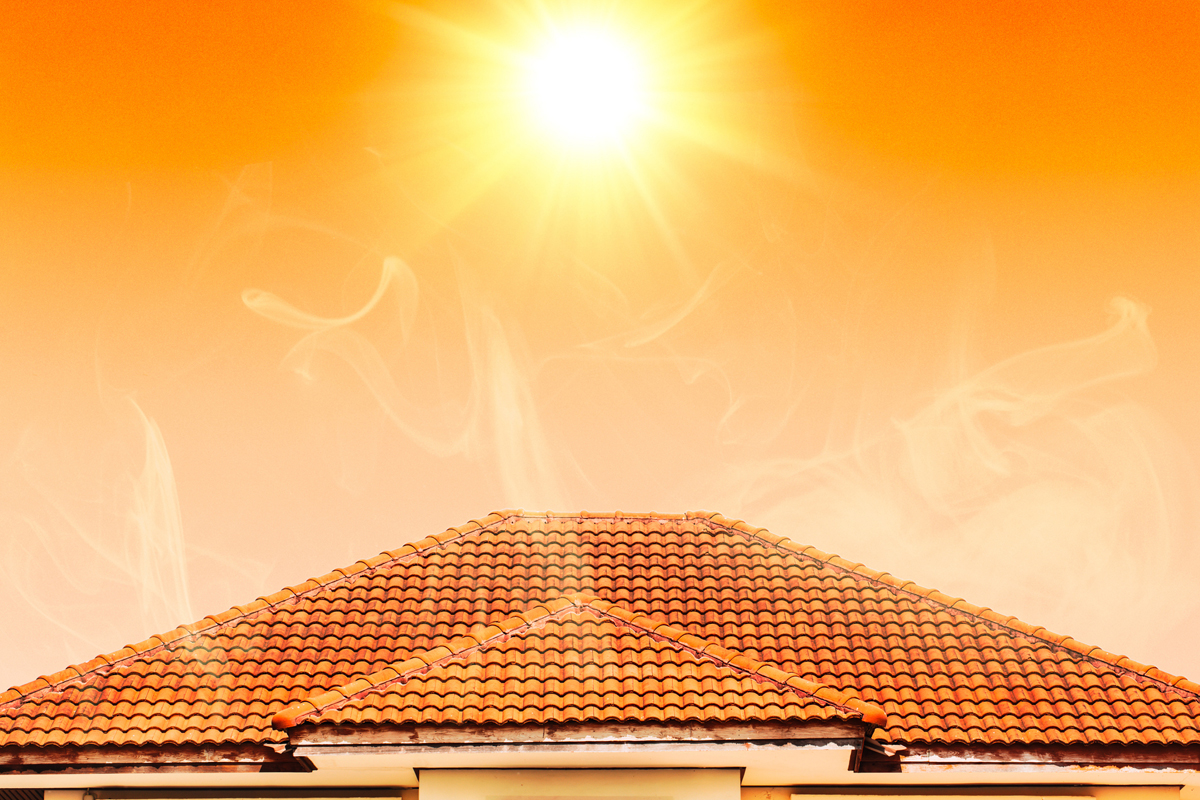
Arizona’s scorching temperatures don’t just make summers uncomfortable—they can also put serious stress on your home’s electrical system. When the heat rises, so does the demand on wiring, panels, and equipment, increasing the risk of failures and even electrical fires if issues go unchecked.
Why Heat Is Hard on Electrical Systems
Electrical components are designed to operate within a specific temperature range. In Arizona, those limits are frequently pushed, especially in garages, exterior walls, and outdoor meter locations. Prolonged high temperatures can:
- Accelerate wear and tear on breakers, wiring insulation, and connection points
- Reduce efficiency of electrical equipment, causing it to work harder and run hotter
- Exaggerate existing weak points, like loose connections or marginally sized circuits
The result is a system that may appear fine in spring but starts failing once triple-digit temperatures hit.
Common Heat-Related Electrical Problems
- Loose Connections
Metals expand when heated and contract when cooled. Over time, this constant expansion and contraction can cause electrical connections to loosen inside panels, outlets, and junction boxes. Loose connections create resistance, which generates additional heat—sometimes enough to cause arcing or start a fire. - Overloaded Circuits
In peak summer, air conditioners, ceiling fans, pool pumps, and other cooling equipment often run for hours at a time. This heavy load can push already busy circuits past their safe capacity, leading to:- Frequently tripped breakers
- Dimming or flickering lights when large appliances turn on
- Overheating outlets, switches, or cords
- Panel Overheating
Electrical panels in Arizona are often located in hot garages, on exterior walls, or in utility rooms with limited airflow. In extreme heat:- Breakers can become overly hot and fail prematurely
- Heat can dry out or damage insulation and components
- The risk of internal arcing or burning increases, especially in older or overloaded panels
- Stressed Air Conditioning Circuits
Your AC is likely the largest electrical load in your home. When it runs nearly nonstop:- Weak or undersized wiring can overheat
- Breakers may nuisance-trip or fail to trip when they should
- Older disconnects and contactors near the condenser can break down faster in the heat
Signs Your Electrical System Is Struggling
Watch for these warning signs, especially as temperatures climb:
- Breakers that trip frequently or won’t reset
- Lights that flicker or dim when the AC, microwave, or other large appliance starts
- Warm or hot breaker panel covers, outlets, or switches
- Buzzing, crackling, or sizzling sounds near the panel or outlets
- Burning smells or discoloration around electrical equipment
- Older panels that have never been inspected or upgraded
Any of these symptoms warrant a professional inspection as soon as possible.
The Importance of Regular Maintenance in Arizona
Because of the extra stress of extreme heat, Arizona homeowners should be especially proactive with electrical maintenance. Regular inspections help:
- Catch loose connections before they overheat
- Verify proper breaker sizing for AC units and high-demand circuits
- Identify aging or unsafe equipment, such as outdated panels or aluminum wiring
- Improve efficiency, potentially lowering energy bills and reducing strain on your system
It’s especially wise to schedule an electrical checkup before peak summer temperatures, so any problems can be addressed before your system is under maximum load.
What a Professional Electrician Will Check
During a maintenance visit, a licensed electrician may:
- Inspect the main service panel for heat damage, corrosion, and loose connections
- Tighten lugs and terminations to manufacturer torque specifications
- Test breakers and verify they’re properly sized for each circuit
- Check dedicated AC circuits, disconnects, and wiring condition
- Inspect accessible outlets, switches, and visible wiring for signs of overheating
- Recommend upgrades if your panel is outdated, overloaded, or not up to current code
This preventative approach not only improves safety but can extend the life of your electrical components.
Protecting Your Home in the Arizona Heat
While you can’t control the weather, you can reduce the impact of heat on your electrical system by:
- Scheduling regular electrical inspections, especially before summer
- Avoiding daisy-chained power strips and overloaded outlets
- Making sure your AC and major appliances are on properly sized, dedicated circuits
- Upgrading old panels and wiring that weren’t designed for today’s electrical demands
Arizona’s extreme heat isn’t just uncomfortable—it’s a real stress test for your home’s electrical system. Regular maintenance and timely upgrades are key to preventing outages, reducing fire risk, and keeping your home safe and comfortable all summer long.